
by Vlad Parkanski | Jul 13, 2026 | Cannabis Education
Understanding Cannabis Extract Types in Vape Cartridges
Walking into a cannabis dispensary and staring at rows of vape cartridges can feel overwhelming. Live resin, distillate, full-spectrum, rosin—the terminology alone is enough to make your head spin. But here’s the thing: choosing the right vape cart isn’t about memorizing complex terms. It’s about understanding what each extract type brings to your experience and matching that to what you actually want.
The extract type inside your vape cartridge determines everything from flavor intensity to how the effects feel in your body. Some extracts preserve the plant’s natural complexity, while others strip everything down to pure potency. Neither approach is inherently better—it all depends on whether you’re chasing authentic strain flavors, maximum THC content, or something in between.
This guide breaks down the most common cannabis extract types found in vape cartridges, explaining what makes each one unique and helping you identify which matches your preferences. By the end, you’ll walk into any dispensary with confidence, knowing exactly what you’re looking for.
Distillate: The Potency Powerhouse
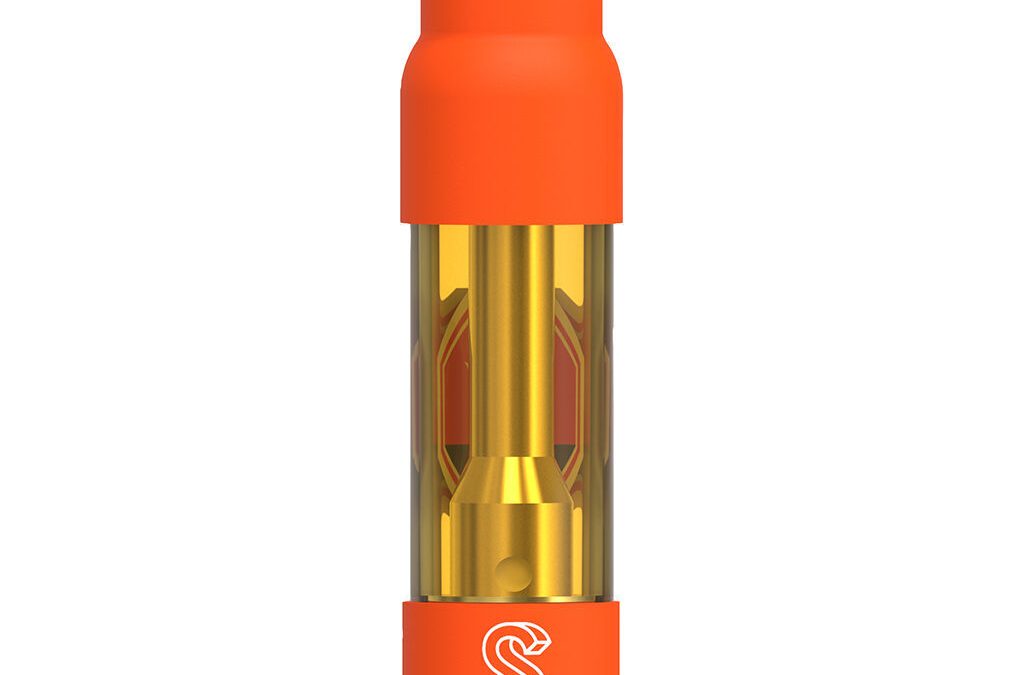
Distillate vape carts are the workhorses of the cannabis vaping world. Through a refinement process that removes everything except cannabinoids, distillate delivers THC concentrations typically ranging from 85% to 95%. This extreme purity makes distillate one of the most potent options available.
The refinement process strips away terpenes, flavonoids, and minor cannabinoids, leaving behind nearly pure THC or CBD. To compensate for the lost flavor profile, manufacturers typically reintroduce terpenes—either cannabis-derived or botanical—after distillation. The result is a clean, predictable experience with strong effects but less complexity than whole-plant extracts.
Distillate carts work beautifully for users who prioritize potency and consistency. Each draw delivers reliable strength without the variability you might find in less refined extracts. They’re also generally more affordable than premium options like live resin, making them an excellent choice for regular users watching their budget.
The trade-off? Many cannabis enthusiasts find distillate lacks the nuanced flavor and entourage effect that comes from preserving the plant’s full chemical profile. If you’ve ever described a cart as tasting “artificial” or wondered why the effects felt one-dimensional despite high THC numbers, you were probably using distillate with reintroduced terpenes.
Live Resin: Flavor First
Live resin represents a completely different philosophy. Instead of refining the cannabis down to isolated compounds, live resin preserves as much of the original plant as possible. The process starts immediately after harvest when the fresh cannabis is flash-frozen to lock in volatile terpenes that would otherwise evaporate during traditional curing.
This preservation method captures the plant’s authentic aroma and flavor profile in stunning detail. If you’ve ever wished your vape cart tasted more like actual cannabis flower, live resin is your answer. The terpene content in quality live resin carts can reach 10-15%, compared to 5-8% in typical distillate products.
Live resin typically contains 70-85% THC—lower than distillate, but the difference in experience often surprises people. The preserved terpenes and minor cannabinoids work together through the entourage effect, where compounds interact synergistically to enhance and modulate each other’s effects. Many users report that live resin’s balanced cannabinoid profile creates a more satisfying experience than distillate’s raw potency.
The main drawback is price. Live resin production requires more careful handling, immediate freezing capabilities, and specialized extraction equipment. Expect to pay 20-40% more than comparable distillate carts. For flavor enthusiasts and those seeking strain-specific effects, the premium is usually worth it.
Live Rosin: Solventless Excellence
Live rosin takes the live resin concept one step further by eliminating chemical solvents entirely. Instead of using butane or CO2 for extraction, rosin is produced through heat and pressure alone. The process involves pressing fresh-frozen cannabis to extract the resinous trichomes, creating an incredibly pure concentrate.
This solventless approach appeals to health-conscious consumers and cannabis purists. Without any residual solvents to worry about, live rosin offers arguably the cleanest vaping experience available. The flavor profile rivals or exceeds live resin, with some connoisseurs claiming rosin captures nuances that solvent-based extractions miss.
The challenge with live rosin carts is availability and cost. The extraction process yields less product and requires premium starting material, making rosin the most expensive extract type on most dispensary menus. Not every brand offers rosin carts, and when they do, expect premium pricing that reflects the labor-intensive production method.
Full-Spectrum Oil: The Entourage Effect in Action
Full-spectrum extracts aim to capture the complete cannabinoid and terpene profile of the source plant. Unlike distillate, which isolates specific compounds, full-spectrum oil retains CBD, CBG, CBN, and other minor cannabinoids alongside THC. The terpene profile remains intact, preserving the strain’s original aroma and flavor characteristics.
This comprehensive chemical profile creates what cannabis researchers call the entourage effect. Cannabinoids and terpenes work together synergistically, each compound influencing how others are absorbed and metabolized. The result is often described as more balanced, therapeutic, and representative of the strain’s intended effects.
Full-spectrum carts typically contain 60-80% THC—moderate compared to distillate but accompanied by a richer supporting cast of active compounds. Users often report that full-spectrum extracts feel more nuanced, with clearer distinctions between indica and sativa strains than they experience with distillate.
The potential downside is variability. Because full-spectrum extracts preserve more of the plant’s natural chemistry, batch-to-batch consistency can fluctuate based on the source material. What works perfectly for you in one batch might feel slightly different in the next, even from the same strain and brand.
CO2 Oil: The Middle Ground
CO2 extraction uses pressurized carbon dioxide as a solvent, creating an extract that falls between distillate and full-spectrum on the refinement spectrum. The process preserves more terpenes and cannabinoids than distillation while still producing a relatively clean, potent concentrate.
CO2 oil typically contains 70-85% THC with a moderate terpene content. The flavor profile sits somewhere between distillate’s simplified taste and live resin’s complex aromatics. For many users, CO2 carts offer an appealing balance of potency, flavor, and value.
This extract type also has environmental advantages. CO2 is non-toxic and reusable in the extraction process, creating less waste than hydrocarbon-based methods. For environmentally conscious consumers, CO2 extraction offers a cleaner production footprint.
Matching Extract Types to Your Preferences
Choosing the right extract type starts with honest self-assessment. Are you chasing maximum THC percentage, or do flavor and experience complexity matter more? Does your budget allow for premium products, or do you need something cost-effective for daily use?
For beginners, distillate or CO2 oil provides a straightforward introduction without overwhelming complexity or premium pricing. The predictable effects and widely available options make these extracts forgiving for those still learning their preferences.
Flavor enthusiasts and strain connoisseurs gravitate toward live resin and full-spectrum carts. If you appreciate the differences between strains and want your vape to capture those nuances, the investment in preserved terpenes pays dividends in satisfaction.
Medical users often prefer full-spectrum extracts for the entourage effect’s therapeutic potential. The balanced cannabinoid profile may provide more targeted relief than isolated THC, particularly for conditions like chronic pain, anxiety, or inflammation.
Budget-conscious regular users find distillate offers the best value proposition. High potency at moderate prices means your money goes further, even if you sacrifice some flavor complexity.
Beyond Extract Type: Other Considerations
While extract type plays a crucial role, don’t overlook other factors that influence your vaping experience. Hardware quality matters tremendously—even the finest extract tastes terrible through a poorly designed cartridge with subpar heating elements.
Look for cartridges with ceramic or quartz heating elements rather than cheap wicks. Quality hardware heats evenly, preserves flavor, and prevents burnt hits. Glass chambers are preferable to plastic, both for flavor preservation and to avoid potential chemical leaching.
Battery compatibility is another practical consideration. Most cartridges use standard 510-threading, but voltage settings can dramatically affect performance. Lower voltages (2.4-2.8V) preserve terpenes and flavor, while higher settings (3.2-3.8V) produce bigger clouds but may sacrifice taste. If you’re investing in premium extracts like live resin, a variable voltage battery lets you dial in the perfect temperature for optimal flavor.
Brand reputation shouldn’t be overlooked either. Established brands with consistent third-party lab testing provide peace of mind about purity and potency. Check for certificates of analysis that confirm cannabinoid content and screen for pesticides, heavy metals, and residual solvents.
The Evolution of Your Preferences
Here’s something many new vapers don’t realize: your preferences will probably evolve over time. You might start with distillate for simplicity and potency, then discover you actually prefer the nuanced flavors of live resin once your palate develops. Or you might experiment with full-spectrum carts for specific strains while keeping distillate on hand for everyday use.
This evolution is natural and healthy. Cannabis appreciation, like wine or coffee, develops with exposure and experimentation. What matters most when you’re starting out isn’t finding the “perfect” extract type immediately—it’s understanding the options well enough to explore intelligently.
Don’t hesitate to ask questions at your dispensary. Knowledgeable budtenders can recommend specific products based on your stated preferences and help you navigate the sometimes confusing world of extract types and brand offerings.
Making Your First Purchase
When you’re ready to buy your first vape cartridge—or trying a new extract type—start with a half-gram rather than a full gram if the option exists. This approach limits your investment while you determine whether that particular extract style suits your preferences.
Pay attention to how each extract type affects you. Does distillate’s potency satisfy you, or does it feel one-dimensional? Does live resin’s flavor justify the premium price? Does full-spectrum oil deliver noticeably different effects than distillate from the same strain?
Keep notes if you’re trying multiple products. It’s surprisingly easy to forget which cartridge delivered which experience after sampling several options. A simple log noting extract type, brand, strain, and your impressions will accelerate your learning curve considerably.
Frequently Asked Questions
What is the difference between distillate and live resin vape carts?
Distillate vape carts contain highly refined THC oil (often 85-95% pure) with terpenes added back, offering potent but predictable effects. Live resin carts are made from flash-frozen cannabis that preserves natural terpenes, delivering more complex flavors and a fuller entourage effect with typically 70-85% THC.
Which vape cart extract type is best for flavor?
Live resin and live rosin vape carts are considered best for flavor because they preserve the plant’s original terpene profile through flash-freezing at harvest. These extracts maintain the strain’s authentic taste and aroma, unlike distillate which requires terpenes to be reintroduced after refinement.
Are full-spectrum vape carts stronger than distillate?
Full-spectrum carts aren’t necessarily stronger in THC percentage (distillate often tests higher), but many users report more potent effects due to the entourage effect. Full-spectrum extracts contain cannabinoids, terpenes, and flavonoids working together, which can create more balanced and therapeutic experiences than isolated THC in distillate.
by Vlad Parkanski | Jul 10, 2026 | Cannabis Education
Understanding Solventless Concentrates: The Premium Choice for Cannabis Connoisseurs
If you’ve been exploring the concentrate section at your local dispensary, you’ve probably noticed products labeled as “solventless” commanding premium prices. These aren’t just marketing buzzwords—solventless concentrates represent a fundamentally different approach to cannabis extraction that prioritizes purity, flavor, and the preservation of the plant’s natural properties. For dispensary shoppers seeking the highest quality cannabis experience, understanding what makes solventless concentrates special is essential.
Solventless extraction methods use only mechanical processes like heat, pressure, ice, and water to separate the valuable cannabinoids and terpenes from the cannabis plant. No butane, propane, CO2, or ethanol is involved in the process. The result is a concentrate that delivers the full spectrum of the plant’s compounds without any chemical residues or alterations to the natural profile. While the cannabis concentrate market is projected to reach $2.4 billion by 2030, solventless products are carving out their own niche as the go-to choice for discerning consumers who prioritize quality over convenience.
What Makes Solventless Concentrates Different?
The key distinction between solventless and solvent-based concentrates lies in the extraction process itself. Traditional concentrates like shatter, wax, and most vape cartridges are produced by using chemical solvents to strip cannabinoids and terpenes from plant material. While these methods can produce potent products efficiently, they require extensive purging processes to remove residual solvents and may alter the natural balance of compounds found in the original plant.
Solventless extraction, by contrast, relies on physical manipulation rather than chemical dissolution. Whether through applying heat and pressure to squeeze out resinous oils or using ice water to gently separate trichome heads from plant matter, these methods preserve what extraction artists call “high fidelity”—meaning the concentrate accurately represents the full chemical profile of the source material. This includes not just the major cannabinoids like THC and CBD, but also the complete spectrum of terpenes, flavonoids, and minor cannabinoids that contribute to the entourage effect.
For health-conscious consumers, the appeal is obvious: there’s no possibility of residual solvents in the final product, no matter how minimal. For flavor enthusiasts, solventless concentrates offer unparalleled terpene preservation, delivering the true taste and aroma of the original strain without the potential alterations that can occur during solvent-based extraction and purging.
Popular Types of Solventless Concentrates at Dispensaries
Live Rosin: The Crown Jewel
Live rosin sits at the pinnacle of solventless concentrates and is often the most expensive product you’ll find in a dispensary’s concentrate case. The “live” designation means the starting material was fresh frozen cannabis—harvested at peak ripeness and immediately frozen to preserve the volatile terpenes that would otherwise degrade during the traditional drying and curing process. This fresh frozen material is first processed into ice water hash, then pressed using specialized equipment that applies precise heat and pressure to extract the resinous oils.
The result is a concentrate with exceptional flavor, aroma, and potency, typically ranging from 70% to 85% THC while maintaining a rich terpene profile that can exceed 10%. Live rosin often has a consistency similar to wet sand, budder, or even sauce, depending on the strain and processing techniques. The texture can vary, but the quality remains consistently premium. When shopping for cannabis concentrates, live rosin represents the ultimate expression of the plant’s natural chemistry.
Rosin: Classic Solventless Extraction
Regular rosin follows the same pressing technique as live rosin but uses dried and cured flower or hash as the starting material rather than fresh frozen cannabis. This makes it slightly more accessible in terms of pricing while still delivering a solventless experience. Rosin can be made from high-quality flower, or it can be pressed from bubble hash for even better results.
The potency of traditional rosin typically falls in the 65% to 80% THC range, with terpene content that varies based on the quality of the starting material and how well it was cured. Rosin’s consistency can range from a translucent sap to an opaque budder, and some products will “sugar up” over time as the cannabinoids crystallize. This natural process doesn’t diminish quality—it’s simply a characteristic of pure, solventless concentrates.
Ice Water Hash (Bubble Hash): The Foundation
Ice water hash, also called bubble hash, is created by agitating frozen cannabis in ice water to separate the trichome heads—the resin glands that contain the cannabinoids and terpenes—from the plant material. The mixture is then filtered through a series of increasingly fine mesh bags measured in microns (typically ranging from 220 microns down to 25 microns). The different micron sizes capture trichome heads of various sizes, with the mid-range microns (usually 70-120 microns) often producing the highest quality material.
The resulting product is a sandy, granular concentrate that can be consumed on its own or used as premium starting material for rosin pressing. Ice water hash typically contains 50% to 80% THC and maintains an excellent terpene profile. The quality is often indicated by how well it melts when dabbed—top-tier “six-star” hash will melt completely with minimal residue, while lower grades may leave more plant material behind. For those interested in exploring different concentrate options, ice water hash offers a more approachable price point than live rosin while still delivering a true solventless experience.
Dry Sift: Traditional Technique, Modern Applications
Dry sift represents one of the oldest forms of cannabis concentration, dating back centuries. The process involves sieving dried cannabis over fine screens to separate trichome heads from the plant material through gravity and gentle agitation. Like ice water extraction, dry sifting uses multiple screen sizes to grade the final product, with the finest particles producing the purest concentrate.
High-quality dry sift has a powdery, kief-like consistency and a light blonde or golden color. It can be consumed directly, sprinkled onto flower, or pressed into rosin for an even more refined product. The potency varies widely depending on the quality—from 40% THC in lower grades to 80% or higher in premium, multi-screened products. While dry sift isn’t as popular in modern dispensaries as rosin or ice water hash, it remains valued for its simplicity and the skill required to produce top-tier material.
How to Identify Quality Solventless Concentrates
When shopping for solventless products at your dispensary, several visual and textual cues can help you identify quality. First, check the color. High-quality solventless concentrates typically display light colors—ranging from pale yellow to golden amber. Darker colors can indicate oxidation, lower-grade starting material, or excessive heat during processing. However, some strains naturally produce darker concentrates, so color should be evaluated alongside other factors.
The aroma is equally important. Quality solventless concentrates should smell intensely of cannabis, with distinct terpene notes that reflect the source strain. If a product smells faint, harsh, or off-putting, it may have been made from inferior starting material or processed improperly. Don’t hesitate to ask your budtender to let you smell a product before purchasing—reputable dispensaries understand that aroma is a crucial quality indicator.
Texture can vary significantly even among premium products, so don’t judge quality based solely on consistency. Live rosin might present as a wet, sauce-like concentrate, a creamy badder, or even a more solid consistency depending on how it was processed and stored. What matters more is that the texture is uniform and free from obvious contaminants or plant matter.
Finally, check the lab results. Most dispensaries provide cannabinoid and terpene profiles for their concentrates. Quality solventless products should show not just high THC levels but also substantial terpene percentages—often 5% to 15% or higher. A robust terpene profile indicates proper preservation of the plant’s natural compounds and suggests a more flavorful, effective product.
Consumption Methods for Solventless Concentrates
Solventless concentrates are most commonly consumed through dabbing—vaporizing the concentrate on a heated surface and inhaling the vapor. This method requires specialized equipment like a dab rig or e-rig, but it delivers immediate effects and allows you to fully appreciate the flavor profile. For beginners, electronic dab devices with temperature control are ideal, as they prevent overheating that can destroy delicate terpenes.
Vaporizers designed specifically for concentrates offer a more portable option. These devices, often called concentrate pens or wax pens, heat the concentrate to vaporization temperature without combustion. When selecting a vaporizer for solventless products, look for devices with ceramic or quartz heating elements and adjustable temperature settings to preserve those valuable terpenes.
You can also enhance your flower experience by adding solventless concentrates. Crumble a small amount of hash onto the top of a bowl, or spread a thin layer of rosin inside a joint before rolling. This method, sometimes called “twaxing,” increases potency while maintaining the smoother experience of smoking flower. Just remember that a little goes a long way—solventless concentrates are potent, and even experienced consumers should start with small amounts.
Storage and Shelf Life Considerations
Proper storage is crucial for maintaining the quality of your solventless concentrates. These products are more sensitive to environmental factors than solvent-based extracts because they retain more volatile terpenes and lack the stabilizing effects that some extraction processes create. Always store concentrates in airtight, light-resistant containers—many premium products come in UV-protective glass or silicone containers designed for this purpose.
Temperature matters significantly. While refrigeration isn’t always necessary, storing concentrates in a cool, dark place will extend their shelf life and preserve terpene content. Some connoisseurs even keep their live rosin in the refrigerator to maintain peak freshness, though you should let the product come to room temperature before opening the container to prevent condensation.
Avoid touching concentrates directly with your fingers, as the oils and bacteria on your skin can degrade quality. Use a clean dab tool to handle your products, and always reseal containers immediately after use. With proper storage, high-quality solventless concentrates can maintain their potency and flavor for several months, though they’re generally best consumed within six to eight weeks of purchase for optimal terpene preservation.
The Price Premium: Understanding Value
There’s no getting around it—solventless concentrates are expensive. A gram of premium live rosin might cost two to three times more than a comparable amount of solvent-based shatter or wax. But understanding the economics behind solventless production helps put these prices in perspective and allows you to make informed purchasing decisions.
The yield from solventless extraction is significantly lower than solvent-based methods. While butane or CO2 extraction might capture 20% to 30% of a plant’s weight in extractable compounds, rosin pressing typically yields only 15% to 20%, and sometimes much less with certain strains. Ice water hash extraction also produces limited yields, especially when producers are selective about which micron sizes they keep for premium products.
Labor intensity further drives costs. Creating high-quality solventless concentrates requires skilled technicians, time-consuming processes, and premium starting material. Fresh frozen cannabis for live rosin must be processed quickly after harvest, requiring careful timing and logistics. Ice water hash extraction is physically demanding and requires meticulous attention to detail at every stage. The pressing process for rosin demands expensive equipment and expertise to dial in the perfect combination of heat, pressure, and time for each strain.
Additionally, solventless extraction methods preserve a higher percentage of the plant’s total chemical profile, meaning you’re getting more than just THC—you’re experiencing the full entourage effect with robust terpene and minor cannabinoid content. For many consumers, this translates to a more satisfying, well-rounded experience that justifies the premium pricing. Those exploring cannabis fundamentals should consider solventless concentrates as an investment in quality rather than simply an expense.
Navigating Your Dispensary’s Solventless Selection
When you’re ready to explore solventless concentrates at your local dispensary, preparation helps you make the best choice for your needs and budget. Start by researching the brands available at your dispensary—some producers have built reputations for exceptional solventless products and are worth seeking out. Read reviews from other consumers and pay attention to which products consistently receive praise for flavor and effects.
Don’t be afraid to ask your budtender questions. Knowledgeable dispensary staff can guide you toward products that match your experience level and preferences. Ask about the starting material—was it fresh frozen or cured? What strain was used, and what terpenes are most prominent? How was the product processed? These details can help you understand what to expect from your purchase.
If you’re new to concentrates, consider starting with traditional rosin or ice water hash rather than jumping straight to premium live rosin. This allows you to develop your palate and learn proper consumption techniques without the financial pressure of working with the most expensive products. As you become more experienced, you’ll better appreciate the nuances that make live rosin worth its premium price.
Many dispensaries offer sample sizes or smaller quantities of concentrates, which is ideal when trying a new product or brand. Take advantage of these options to experiment without committing to a full gram. Keep notes on what you try—recording the strain, brand, consistency, flavor, and effects helps you identify patterns in what works best for you.
The Future of Solventless Cannabis
As cannabis cultivation and extraction techniques continue to evolve, solventless concentrates are becoming more accessible to average consumers. What was once a niche product made by small-batch artisans is now being produced at scale by larger operations, helping to bring prices down while maintaining quality. Advances in pressing technology, washing techniques, and strain selection specifically for solventless extraction are all contributing to a broader, more diverse market.
The trend toward solventless products also reflects growing consumer awareness and demand for natural, minimally processed cannabis products. As more shoppers educate themselves about extraction methods and prioritize terpene profiles alongside THC percentages, the market is responding with expanded solventless offerings. This shift mirrors broader consumer trends in other industries toward organic, craft, and artisanal products.
For dispensary shoppers, this means more choices, better availability, and increasingly competitive pricing on solventless concentrates. While these products will likely always command a premium compared to mass-produced solvent extracts, the gap is narrowing as production becomes more efficient and widespread. If you’ve been curious about solventless concentrates but hesitant about the price, now is an excellent time to explore what’s available at your local dispensary.
Frequently Asked Questions
What is the difference between solventless and solvent-based concentrates?
Solventless concentrates are extracted using mechanical methods like heat, pressure, or ice water, preserving natural terpenes without chemicals. Solvent-based extracts use butane, propane, or CO2 to strip cannabinoids from plant material. While both can be high quality, solventless products are considered cleaner and more flavorful since no chemical residues are involved in the extraction process.
Why are solventless concentrates more expensive than other extracts?
Solventless concentrates command premium prices due to their labor-intensive production methods and lower yields. Creating rosin or ice water hash requires superior starting material, skilled extraction techniques, and more time than solvent-based methods. The result is a purer, more flavorful product that preserves the full spectrum of cannabinoids and terpenes, justifying the higher cost for quality-conscious consumers.
What are the most popular types of solventless concentrates available at dispensaries?
The most sought-after solventless concentrates include live rosin, which is pressed from fresh frozen cannabis; ice water hash (bubble hash), made by agitating frozen material in ice water; rosin, pressed from dried flower or hash; and dry sift, created by sieving trichomes through fine screens. Live rosin is typically the most premium option, offering exceptional flavor and potency that appeals to connoisseurs.

by Melanie Fowler | May 18, 2026 | Cannabis Education
A Fresh Review From The Matchbox Team
Hi, I’m Carolina (Cary) from the Matchbox Marketing Team. Our crew in-store has been buzzing about the latest arrival in the vault, and I had to get the details out to you. We’re looking at Skyh Indica by Bleuh—a product that is currently redefining what a large format ounce can be. If you’re tired of “budget” bags that lack flavor, this review is for you.
Why Buying a 28g Ounce of Skyh Indica is a Game Changer
Let’s talk value. Buying an ounce of this product isn’t just about saving money; it’s about securing a high-quality, consistent experience. Skyh is grown in organic living soil, which is a massive differentiator. Most bulk bags use mass-produced methods, but Skyh is shaped by natural sunlight and the pace of the seasons in Québec. You get the benefits of a craft grow with the price point of a large format sun-grown ounce.
What’s Great About Québec-Grown Cannabis?
There is something special about Québec-grown cannabis. The Skyh series is “sun-grown,” meaning the plants receive a full spectrum of light that indoor lights simply can’t replicate. This creates a “clean, legible flower” that is true to its Indica roots.
The coolest part? They use a cold-harvest protocol. They harvest the plants in the early morning while the flowers are at their peak freshness to lock in the terpenes. This is why when you open a bag of Skyh, the aroma is much more expressive than your standard bulk buy.
The Details: Why You’ll Love This Indica
- The Flavor: Clean, earthy, and true to its lineage.
- The Look: Dense, intact flowers that haven’t been beat up by industrial trimmers.
- The Value: A full 28g of premium sun-grown flower at a competitive price.
- The Method: Living soil and cold-harvested for maximum terpene retention.
The Details: Why You’ll Love This Indica
Where to Buy the Best Sun-Grown Ounces in Ontario
If you are hunting for
Cheap Ounces in Toronto or the freshest
Cannabis Flower in North York ON, Skyh Indica is our top pick. You can grab this 28g bag at any Matchbox location right now. It’s perfect for anyone who wants a high-quality ritual without the high-end price tag of 3.5g jars.
Elevate Your Daily Ritual
At Matchbox, we believe that bulk buying shouldn’t mean sacrificing the soul of the plant. Skyh Indica is the perfect example of how Québec craftsmanship and sun-grown methods can deliver a premium experience at an accessible price point. Whether you’re a long-time enthusiast or just looking for a reliable, flavorful staple for your collection, this is the bag you’ve been waiting for.
Experience Skyh Indica Today
Ready to see what cold-harvested, living-soil cannabis actually looks like?
Stop by any of our Ontario locations or order online for fast, local delivery.
Frequently Asked Questions: Skyh Indica & Large Format Ounces
What does “Sun-Grown in Living Soil” actually mean for the flower?
Unlike indoor plants grown in rockwool or liquid nutrients, living soil is an ecosystem full of beneficial microbes and fungi. When combined with natural sunlight, the plant produces a more complex and “true-to-nature” terpene profile. For you, this means a smoother flavor and a more nuanced effect.
Is a 28g “large format” ounce right for me?
If you have a favorite daily strain and want to avoid the “3.5g tax” (paying more per gram for smaller jars), a 28g bag is the smartest move. It’s the best way to get craft-quality flower like Skyh at a significantly lower price point per gram.
How should I store my Skyh Indica to keep it fresh?
Because Skyh is cold-harvested to lock in terpenes, you want to keep it that way. Store your ounce in a cool, dark place in an airtight glass jar. Avoid plastic baggies or leaving it in a hot car, as heat and light will degrade those precious aromas.
What makes a “Cold-Harvest” better than a standard harvest?
Standard harvests often happen during the heat of the day when plants are slightly stressed. A cold-harvest happens in the early morning while the plant is “sleeping” and its trichomes are most stable. This preserves the most delicate terpenes that usually evaporate in the sun, leading to a much louder aroma when you open the bag.
How do I know if Skyh Indica is in stock at my local Matchbox?
Our inventory moves fast! The best way to secure your bag is to check our live menu for
Cheap Ounces in Toronto or your specific local shop page. You can order online for pickup to make sure it’s waiting for you when you arrive.

by Vlad Parkanski | Apr 25, 2026 | Cannabis Education
Understanding Cannabis Microdosing: What It Really Means
You’ve probably heard the phrase “less is more,” and when it comes to cannabis, this couldn’t be more true. Microdosing cannabis has become one of the most talked-about approaches for people who want the therapeutic benefits of THC without feeling like they’ve lost their afternoon to the couch.
At its core, microdosing means consuming very small amounts of cannabis—typically between 1 and 5 milligrams of THC—to achieve subtle effects without significant intoxication. Think of it as finding your body’s minimum effective dose: just enough to feel relief, but not so much that you can’t function normally throughout your day.
Whether you’re looking for gentle anxiety relief during a stressful workweek, mild pain management, or simply a way to take the edge off without compromising your productivity, microdosing offers a controlled, mindful approach to cannabis consumption that’s gaining serious traction among both newcomers and experienced users alike.
Why People Are Turning to Microdosing
The appeal of microdosing goes far beyond just avoiding an overwhelming high. People are discovering that small, intentional doses of cannabis can support their daily lives in meaningful ways.
Stress and anxiety relief: Low doses of THC have been shown to reduce anxiety by modulating serotonin and dopamine—the neurotransmitters responsible for mood regulation. Unlike higher doses, which can sometimes trigger paranoia, microdoses promote calm without the mental fog.
Enhanced focus and creativity: Many people report that tiny amounts of THC help them enter a state of relaxed concentration. Artists, writers, and professionals use microdosing to support divergent thinking and creative problem-solving without cognitive impairment.
Pain management without sedation: Research suggests that low-dose THC can provide meaningful pain relief. In one study with chronic pain patients, those receiving the lowest doses actually experienced the greatest reduction in pain—proving that more isn’t always better.
Better sleep quality: Small amounts of THC can help regulate your sleep-wake cycle without the grogginess that often accompanies higher doses or traditional sleep medications.
Maintaining daily functionality: Perhaps the biggest draw is that microdosing lets you go about your life normally. You can still work, exercise, have conversations, and drive—activities that become challenging or unsafe with larger cannabis doses.
Finding Your Perfect Starting Dose
Here’s where things get personal. The ideal microdose varies from person to person based on factors like body weight, metabolism, previous cannabis experience, and individual sensitivity. However, there are some solid guidelines to help you find your sweet spot.
For complete beginners: Start with just 1 milligram of THC. Yes, this might seem impossibly small, but it’s the safest way to understand how your body responds to cannabis.
After a few sessions: If you don’t notice any effects after several attempts at 1mg, gradually increase to 2.5mg. This is considered the standard starting microdose for most people and produces mild relaxation without significant psychoactive effects.
The upper limit of microdosing: Most experts agree that 5mg represents the ceiling of what qualifies as a microdose. Beyond this, you’re moving into territory where noticeable psychoactive effects become more likely.
The key is patience. Stick with each dose level for at least three to four days before adjusting. Your body needs time to respond, and rushing the process often leads to taking more than necessary.
Choosing the Right Consumption Method
Not all cannabis products are created equal when it comes to microdosing. Some methods make precise dosing nearly impossible, while others give you complete control over every milligram.
Best Methods for Microdosing
Edibles with precise dosing: Low-dose gummies, mints, and chocolates are ideal because they come in exact measurements—often 2.5mg or even 1mg per piece. Look for products specifically designed for microdosing, as they make portion control effortless.
Tinctures and oils: These liquid formulations come with droppers that allow you to measure exact doses. A tincture with 5mg of THC per milliliter, for example, lets you easily take just 1mg by using a fraction of the dropper. Place drops under your tongue for faster absorption than edibles.
Cannabis beverages: Low-dose sparkling waters and teas offer another precise option, often containing 2.5-5mg per serving. They’re also more socially acceptable and easier to consume in various settings.
Low-dose capsules: Pre-measured capsules take all guesswork out of dosing. They do take longer to kick in (like other edibles), but offer completely consistent experiences.
Methods to Avoid for Microdosing
Smoking and vaping: While these methods provide fast onset, controlling your dose is extremely difficult. The amount of THC you absorb varies with each puff, making it nearly impossible to consume a consistent 2mg dose. If you prefer inhalation, consider taking just one small puff and waiting 15-20 minutes before deciding if you need more.
Timing Your Microdose for Maximum Benefit
When you microdose matters almost as much as how much you take. Strategic timing helps you get the most from your low-dose routine.
Morning microdosing: Many people find that a small dose in the morning helps set a calm, focused tone for the day. This works particularly well for those dealing with chronic anxiety or looking for creative enhancement.
Evening microdosing: If better sleep is your goal, timing your microdose about two hours before bed can help you wind down naturally without morning grogginess.
Split dosing: Some people divide their daily dose into two smaller amounts—one in the morning and one in the evening—to maintain consistent cannabinoid levels throughout the day.
Remember that edibles take significantly longer to kick in than other methods. Plan for 60-90 minutes before you feel full effects, and resist the urge to take more during that waiting period. This is where many beginners accidentally overdo it.
Preventing Tolerance Buildup
One of the biggest advantages of microdosing is that it helps prevent the tolerance buildup that plagues regular cannabis users. However, even with small doses, your body can adapt over time.
To maintain the effectiveness of your microdoses, consider taking one or two days off each week. This “tolerance break” allows your endocannabinoid receptors to reset, ensuring that your low doses continue working as intended.
If you notice that your usual dose is becoming less effective, rather than increasing the amount, try taking a two-day break from cannabis entirely. Many experienced microdosers find this reset period is enough to restore their original sensitivity.
Tracking Your Experience
Keeping a simple journal of your microdosing experiences can be incredibly valuable. Record the following after each session:
- The exact dose you took
- The product and consumption method
- What time you consumed it
- How you felt before, during, and after
- Any changes in anxiety, pain, focus, or sleep
- Any unwanted effects, however mild
After a few weeks, patterns will emerge that help you fine-tune your routine. You might discover that certain products work better for you, or that morning doses affect you differently than evening ones.
Who Should Approach Microdosing with Caution
While microdosing is generally considered a safer approach to cannabis consumption, it’s not right for everyone. You should exercise caution or avoid microdosing if you:
- Have a history of anxiety disorders or psychosis
- Are pregnant or breastfeeding
- Have heart conditions
- Take medications that might interact with cannabis
- Have a history of substance use disorder
- Are subject to workplace drug testing
If you fall into any of these categories, consult with a healthcare provider before experimenting with any cannabis products, even in small amounts.
Combining THC with CBD for Enhanced Results
Many experienced microdosers find that combining small amounts of THC with CBD creates a more balanced experience. CBD can help moderate some of THC’s psychoactive effects while adding its own therapeutic benefits.
A good starting point is a 1:1 ratio—1mg of THC paired with 1mg of CBD. Products specifically formulated with balanced cannabinoid ratios are becoming increasingly common and can be excellent choices for microdosing beginners.
Frequently Asked Questions
What is the ideal microdose of cannabis for beginners?
For beginners, the ideal cannabis microdose is typically 1-2.5mg of THC. Start at the lowest dose and wait at least 2 hours before consuming more. This allows you to gauge your tolerance and find your minimum effective dose.
How often should you microdose cannabis?
Most people microdose cannabis once or twice daily, often in the morning or evening depending on their goals. It’s recommended to take 1-2 days off per week to prevent tolerance buildup and maintain the effectiveness of low doses.
What is the safest method for microdosing cannabis?
Edibles and tinctures are the safest methods for microdosing because they offer precise, consistent dosing. Look for products with clearly labeled THC content, ideally in 1-2.5mg increments. Avoid smoking for microdosing as it’s harder to control intake.

by Vlad Parkanski | Apr 19, 2026 | Cannabis Education
Understanding the Cannabis High: What to Expect
Whether you’re new to cannabis or simply want to plan your experience better, understanding how long a high lasts is essential information. The short answer? It depends. A cannabis high can last anywhere from 30 minutes to 12 hours, with most people experiencing primary effects for 2 to 4 hours. But the real story involves several fascinating factors that work together to create your unique experience.
Cannabis contains over 113 chemical compounds called cannabinoids, with delta-9 tetrahydrocannabinol (THC) being the star responsible for psychoactive effects. How your body processes this compound—and how you introduce it to your system—makes all the difference in your experience timeline.
Duration by Consumption Method: A Complete Breakdown
The way cannabis enters your body is the single biggest factor determining how long you’ll feel its effects. Each method creates a different pathway through your system, which dramatically changes both onset time and duration.
Smoking and Vaping: Quick In, Quick Out
When you smoke or vape cannabis, you’ll typically feel effects within 2 to 10 minutes. This rapid onset happens because THC enters your bloodstream directly through your lungs, bypassing the digestive system entirely.
The high from smoking or vaping usually lasts 1 to 3 hours, with peak effects hitting within the first 30 to 90 minutes before gradually tapering off. Some residual effects may linger for up to 8 hours, though most people feel completely sober within 4 hours. This method offers the most predictable and manageable experience for those who want control over their timing.
Edibles: The Long Game
Edibles tell a completely different story. When you eat cannabis-infused products, THC must travel through your digestive system before reaching your bloodstream. This journey typically takes 30 minutes to 2 hours before you feel anything—and this delay catches many newcomers off guard.
Once effects begin, they peak around 2 to 4 hours after consumption and can last anywhere from 4 to 12 hours. Some users report subtle effects lingering even longer, particularly with higher doses. The extended duration makes edibles popular for medical users seeking long-lasting relief, but it also means careful planning is essential.
Concentrates and Dabbing: Intensity Meets Duration
Concentrates like wax, shatter, live resin, and live rosin contain significantly higher cannabinoid levels than traditional flower. This potency translates to both stronger effects and moderately extended duration.
Effects from dabbing kick in almost instantly, similar to smoking, but the high typically lasts 3 to 6 hours. With particularly high-THC concentrates, some users report feeling effects throughout an entire day. This method is generally recommended for experienced consumers who understand their tolerance levels.
Tinctures and Sublinguals: The Middle Ground
Tinctures placed under the tongue offer an interesting hybrid experience. Because the liquid absorbs through mouth tissue rather than passing through full digestion, effects typically begin within 15 to 45 minutes—faster than edibles but slower than smoking.
Duration usually falls in the 4 to 6 hour range. However, if you swallow most of the tincture rather than holding it under your tongue, your experience will shift closer to the edible timeline with slower onset and longer duration.
Why Edibles Hit So Differently
The dramatically different edible experience deserves special attention because it confuses so many people. When THC passes through your digestive system and liver, a chemical transformation occurs. Your liver converts THC into 11-hydroxy-THC, a metabolite that crosses the blood-brain barrier more efficiently than regular THC.
This metabolite is significantly more potent than standard THC, which explains why edible highs often feel more intense and last much longer. It’s also why the golden rule for edibles exists: start low, go slow, and wait at least 2 hours before considering another dose.
Personal Factors That Influence Your Experience
Two people can consume identical amounts of the same cannabis product and have completely different experiences. Your unique biology plays a crucial role in determining duration and intensity.
Your Endocannabinoid System
Your body has a network of receptors called the endocannabinoid system that interacts with cannabinoids like THC and CBD. This system helps regulate mood, stress, sleep, and appetite—and it responds differently in each person. What produces a 2-hour high for your friend might last 4 hours for you, simply because of how your specific receptors process these compounds.
Metabolism and Body Composition
People with faster metabolisms process cannabis more quickly, often experiencing shorter-lasting effects. Body weight and fat composition also matter, as THC is fat-soluble and can be stored in fat cells. This explains why effects sometimes feel different based on recent eating habits or changes in body composition.
Tolerance Levels
Regular cannabis users develop tolerance over time, meaning they typically experience shorter and less intense effects from the same dose. Conversely, new users often find effects last longer and feel more pronounced. This is why starting with lower doses makes sense when you’re inexperienced or returning after a break.
Food and Stomach Contents
Using cannabis on an empty stomach typically produces faster, more intense effects. Eating beforehand can moderate the experience and may actually extend duration slightly as your body processes everything together. Some foods containing specific compounds, like mangoes, are anecdotally reported to enhance effects, though scientific evidence remains limited.
The Role of CBD in Your Experience
CBD doesn’t produce a high on its own, but it can significantly influence how THC affects you. Many users report that CBD softens or balances THC’s intensity, potentially reducing anxiety or paranoia that some experience. Products with balanced THC-to-CBD ratios often produce more mellow, manageable effects compared to high-THC, low-CBD options.
Interestingly, some research suggests CBD may counteract certain THC effects, which has led some people to keep CBD products on hand as a potential tool for managing uncomfortable highs.
What to Do If Your High Feels Too Intense
Sometimes a cannabis experience becomes stronger than expected. While there’s no instant off-switch for THC, several strategies may help you feel more comfortable:
- Rest or sleep: A nap gives your body time to process cannabis naturally and often provides relief from anxiety or paranoia
- Stay hydrated: Water helps with dry mouth and can provide a grounding physical sensation
- Try black pepper: Compounds in peppercorn, particularly caryophyllene, may have calming effects—try sniffing freshly ground pepper or chewing a peppercorn or two
- Eat something: Food can help moderate effects, especially fatty foods that may bind with THC
- Try lemon: The peel contains compounds thought to have calming properties—steep some in hot water for a soothing tea
- Consider CBD: If available, CBD may help balance out overwhelming THC effects
Most importantly, remember that no one has ever fatally overdosed on cannabis. The uncomfortable feelings will pass, typically within a few hours at most.
Planning Your Experience: Practical Tips
Understanding duration helps you plan appropriately. If you have evening plans, smoking or vaping a couple hours beforehand gives effects time to subside. If you’re settling in for a movie marathon, edibles might provide the extended experience you’re looking for.
For first-timers, consider these guidelines:
- Choose lower-THC products to start
- Try cannabis when you have plenty of free time with no obligations
- Have water and snacks readily available
- Stay in a comfortable, familiar environment
- Consider having a trusted friend present
- Avoid mixing cannabis with alcohol, especially initially
Frequently Asked Questions
How long does a high from smoking cannabis last?
A high from smoking or vaping cannabis typically lasts 1 to 3 hours, with peak effects occurring within the first 30 minutes. Most users feel completely sober within 4 hours, though subtle effects may linger slightly longer.
Why do edibles make you high for so much longer?
Edibles must pass through your digestive system and liver before reaching your bloodstream, converting THC into 11-hydroxy-THC—a more potent compound. This process extends the high to 4-8 hours, sometimes longer, with effects taking 30 minutes to 2 hours to begin.
What factors affect how long a cannabis high lasts?
Key factors include consumption method, THC potency, your tolerance level, metabolism, body weight, and whether you’ve eaten recently. New users typically experience longer-lasting effects compared to regular consumers with higher tolerance.
by Vlad Parkanski | Apr 12, 2026 | Cannabis Education
What Is the Best Cannabis Consumption Method for Beginners: A Complete Guide
Stepping into the world of cannabis for the first time can feel like walking into a foreign country without a map. Between vapes, edibles, tinctures, and flower, the options seem endless—and honestly, a little overwhelming. But here’s the good news: finding the right consumption method doesn’t have to be complicated, and there’s no single “correct” way to start your cannabis journey.
What matters most is finding an approach that matches your comfort level, lifestyle, and goals. Whether you’re curious about relaxation, exploring therapeutic benefits, or simply want to see what the experience is like, this guide will walk you through everything you need to know as a first-time cannabis user.
The Golden Rule: Start Low and Go Slow
Before we dive into specific methods, let’s establish the most important principle for any cannabis beginner: start with the lowest possible dose and give yourself plenty of time to feel the effects before consuming more. This simple rule applies to every consumption method and will help you avoid an uncomfortable experience.
Cannabis affects everyone differently based on factors like body weight, metabolism, tolerance, and even your mood that day. What works perfectly for your friend might be too much—or too little—for you. Patience is your best friend when you’re just starting out.
Understanding Your Options: Cannabis Consumption Methods Explained
Edibles: The Beginner-Friendly Choice
Many cannabis educators consider low-dose edibles one of the safest starting points for newcomers. Edibles come in countless forms—gummies, chocolates, mints, beverages, and even infused honey. They offer precise dosing (usually clearly labeled on the package) and eliminate any concerns about lung irritation.
The key with edibles is understanding their timeline. Unlike smoking or vaping, edibles must pass through your digestive system before entering your bloodstream. This means effects can take anywhere from 30 minutes to 2 hours to appear—and sometimes even longer on a full stomach. The effects also last much longer, typically 4-8 hours, with some people feeling residual effects for up to 12 hours.
For beginners, start with 2.5-5mg of THC. Yes, this might seem tiny compared to what experienced users consume, but it’s the perfect starting point to gauge your sensitivity. Wait at least 2 hours before considering another dose. The most common mistake new users make? Getting impatient and consuming more before the first dose kicks in.
Tinctures: Precision and Flexibility
Tinctures are liquid cannabis extracts that typically come in small bottles with droppers, making them excellent for precise dosing. You can take tinctures sublingually (under the tongue) for faster absorption, usually within 15-45 minutes, or add them to food and beverages for a more gradual experience similar to edibles.
The sublingual method works faster because the cannabinoids absorb directly into the blood vessels under your tongue, bypassing the digestive system. This makes tinctures a nice middle ground between the immediate effects of inhalation and the delayed onset of traditional edibles.
Some beginners find the taste of tinctures a bit earthy or bitter, but many products now come in flavored varieties. The dropper allows you to measure exactly how much you’re taking, giving you excellent control over your experience.
Vaping: Fast-Acting with a Learning Curve
Vaping heats cannabis oil or flower to a temperature that releases cannabinoids as vapor rather than smoke. This method produces effects within 5-15 minutes, making it easier to gauge how cannabis affects you and adjust accordingly. Many users find vapor smoother and less harsh than smoke.
For beginners interested in vaping, start with a single small puff and wait at least 15-20 minutes before taking another. Pre-filled cartridges paired with simple battery devices offer the most straightforward entry point—no grinding, packing, or complicated equipment required.
However, vaping does come with some considerations. The fast onset can catch newcomers off guard, and the technology can feel intimidating at first. There’s also ongoing research about the long-term effects of vaping, so it’s worth staying informed as more studies emerge.
Smoking: Traditional but Intense
Smoking cannabis—whether through joints, pipes, or bongs—remains the most traditional consumption method. Like vaping, effects appear quickly, usually within minutes. This immediate feedback makes it easier to control your intake by taking one puff, waiting, and assessing how you feel before continuing.
Pre-rolls (pre-made joints) offer convenience for those who don’t want to learn rolling techniques. However, smoking may not appeal to everyone, particularly those with respiratory sensitivities or concerns about lung health. The smell is also more noticeable and longer-lasting compared to other methods.
If you choose smoking as your first method, consider using a water pipe or bong, which filters the smoke through water for a slightly smoother experience. Start with just one or two small inhales and give yourself time to feel the effects.
Topicals: Non-Intoxicating Relief
Cannabis-infused creams, balms, and lotions applied directly to the skin represent a unique category. Topicals typically don’t produce the “high” associated with other consumption methods because they work locally rather than entering your bloodstream. They’re designed for targeted relief—think sore muscles, joint discomfort, or skin care.
While topicals won’t give you a traditional cannabis experience, they can be an excellent introduction to cannabis products for those who want therapeutic benefits without any psychoactive effects.
Why CBD-Dominant Products Make Sense for Beginners
If you’re nervous about the intensity of THC, consider starting with CBD-dominant or balanced CBD:THC products. CBD (cannabidiol) is a non-intoxicating cannabinoid that many people use for relaxation and wellness. When combined with THC, CBD can actually help moderate THC’s intensity, creating a gentler, more manageable experience.
A 1:1 CBD to THC ratio product, for example, might produce milder psychoactive effects than a THC-only product with the same amount of THC. This buffer effect makes balanced products particularly appealing for first-timers who want to ease into the experience.
Setting Yourself Up for Success
Your environment plays a huge role in your cannabis experience. Create a comfortable, safe space where you can relax without obligations. Clear your schedule—you shouldn’t drive or operate machinery after consuming cannabis, and you want the freedom to simply enjoy the experience.
Keep water and snacks nearby. Cannabis commonly causes dry mouth (often called “cottonmouth”), and staying hydrated helps. Having a trusted friend present, especially for your first time, provides both safety and peace of mind.
Store all cannabis products securely, away from children and pets. Most products come in child-resistant packaging, but an additional layer of storage safety never hurts.
What to Expect: Effects and Duration
Cannabis effects vary widely between individuals, but common experiences include relaxation, altered perception of time, enhanced sensory experiences, increased appetite, and sometimes euphoria or giggles. Some people feel more creative or introspective, while others simply feel calm and content.
Onset times and duration depend heavily on your consumption method:
- Inhalation (smoking/vaping): Effects begin within 5-15 minutes, peak around 30 minutes, and typically last 1-3 hours
- Tinctures (sublingual): Effects begin within 15-45 minutes and last 4-6 hours
- Edibles: Effects begin within 30 minutes to 2 hours, peak around 4-6 hours, and can last up to 12 hours
Concentrates: Save These for Later
You’ll likely see products like wax, shatter, and live resin at dispensaries. These concentrates contain much higher THC levels than flower or standard edibles—sometimes 60-90% THC compared to 15-25% in typical flower. While experienced users appreciate their potency, concentrates are generally not recommended for beginners. Master the basics first, then explore these options once you understand how cannabis affects you personally.
Talk to the Experts
Don’t underestimate the value of a good dispensary experience. Budtenders are trained to help customers—especially newcomers—find products that match their needs and comfort levels. Be honest about your experience level and goals. They can recommend specific products, dosages, and consumption methods tailored to your situation.
Frequently Asked Questions
What is the safest cannabis consumption method for first-time users?
Low-dose edibles (2.5-5mg THC) or tinctures are often considered safest for beginners because they allow precise dosing and avoid lung irritation. Start with the lowest dose and wait at least 2 hours before consuming more.
How long does it take to feel the effects of different cannabis methods?
Inhalation methods like vaping produce effects within 5-15 minutes, while edibles can take 30 minutes to 2 hours. Tinctures placed under the tongue typically work within 15-45 minutes. Beginners should be patient and avoid redosing too quickly.
Should beginners choose THC or CBD products first?
Many experts recommend beginners start with CBD-dominant or balanced CBD:THC products. CBD can help moderate THC’s intensity while still providing therapeutic benefits, making the experience more manageable for newcomers.
