
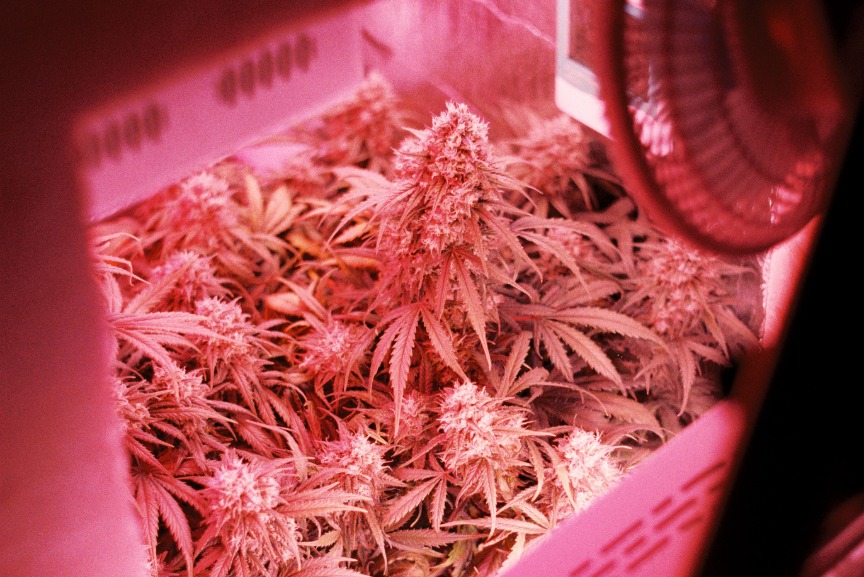
If you have ever looked at a cannabis recipe, you have probably seen the word “decarb” in the first step. It sounds technical, but the idea is simple. Raw cannabis flower contains compounds that do not behave the same way as the ones people usually associate with cannabis, and gentle heat changes that. Learning how to decarb weed properly is one of the most important steps before cooking with flower, and one of the easiest to get wrong.
This guide focuses on the process itself: what decarboxylation means, why it matters, how the oven method works, which time and temperature are commonly used, how to handle odour, and the mistakes that cause disappointing results. It is educational information, not a promise of any specific potency or effect. In Ontario, you must be 19 or older to make edibles at home, and you cannot sell them or share them with anyone under the legal age.
What Decarboxylation Means
Decarboxylation, often shortened to “decarb”, is a chemical reaction triggered by heat. Most of the THC and CBD in cannabis plants exists in acidic forms called THCA and CBDA. Researchers note that the neutral forms, THC and CBD, do not occur in significant amounts in the plant but are formed when those acids are decarboxylated. When flower is heated, the acids lose a carboxyl group and convert into the more familiar compounds.
This is why raw cannabis does not have the same effect as smoked cannabis. As the Ontario Cannabis Store (OCS) explains, dried flower must be heated for THCA to convert to psychoactive THC. Smoking, vaping and baking all supply that heat. Only the method differs.
Why People Decarb Cannabis
When you smoke or vape flower, the heat decarboxylates it as you use it. When you cook or infuse with cannabis, that conversion does not happen reliably on its own. People decarb flower first so the conversion happens in a controlled way before the flower becomes an ingredient.
- To prepare flower for infusing into butter or cooking oil.
- To prepare flower for other homemade infusions, such as honey.
- To control the first stage of a homemade preparation instead of leaving it to chance.
Decarb is only a preparation step. The OCS notes that factors such as temperature and cooking time influence how much THC and CBD a finished homemade product contains, so its potency will be hard to know with certainty.
The THCA to THC Relationship in Simple Terms
Think of THCA as the form found in the plant and THC as the form that develops with heat. Lab studies, such as a 2016 study in Cannabis and Cannabinoid Research that tested temperatures from 80°C to 145°C, show that the conversion depends on both temperature and time. Too little heat and conversion is incomplete. The OCS warns that high temperatures can destroy cannabinoids, while low ones fail to activate the THC.
You do not need to memorize the chemistry. The practical takeaway is that gentle, controlled heat works better than high heat.
What You Need Before You Start
Decarboxylation does not require special equipment.
- Cannabis flower. If you are buying flower for this purpose, browse the range on the Matchbox Cannabis flower page.
- A baking sheet.
- Parchment paper.
- An oven thermometer. It lets you confirm the oven’s actual temperature rather than relying on the dial.
- A timer.
- An airtight container for storage afterwards.
Basic Preparation
A little preparation helps heat reach the flower evenly.
- Check the flower for any sign of mould and discard anything that looks or smells off.
- Break the flower into smaller, evenly sized pieces so they decarb at the same rate. The OCS advises against grinding it into a fine powder.
- Preheat the oven and confirm the temperature with an oven thermometer.
- Line a baking sheet with parchment paper.
- Spread the flower in a thin, even layer.
The Oven Method Step by Step
The oven method is the most common home approach because it is simple and uses equipment most kitchens already have. The steps below follow the method shared by the OCS.
- Place the baking sheet on the middle rack of the oven.
- Bake, stirring once, until the flower turns golden brown.
- Remove the sheet and let the flower cool to room temperature.
- Once cool, transfer the flower to an airtight container.
Do not leave the oven unattended. As with any cooking, stay nearby and keep an eye on the timer.
Temperature Considerations
Sources recommend slightly different temperatures, so it helps to understand the logic. The OCS guide uses an oven set to 245°F (about 118°C). Research on decarboxylation has tested a wider range, roughly 80°C to 145°C, and found that higher temperatures convert THCA faster. Lower temperatures take longer but are gentler on the flower, while higher ones raise the risk of scorching and losing compounds you want to keep.
Treat any figure as a reference point, not a guarantee. If you are following a specific written recipe, use the temperature it gives.
Timing Considerations
Time and temperature work together. At 245°F, the OCS method bakes the flower for about 35 minutes, until golden brown. The right time for your batch can change with how finely the flower is broken up, how thickly it is spread, how moist it is, and how accurately your oven holds temperature.
Rather than chasing a perfect number, aim for consistency. Use the same method, layer thickness and temperature each time so you can compare results.
Signs the Decarb Went Well, and Signs It Did Not
The OCS method uses a golden brown colour as the cue that the flower is ready. Properly decarbed flower tends to look slightly darker and drier and to crumble easily. Very dark flower or a sharp burnt smell suggests the heat was too high or the time too long. These visual cues are rough guides, not lab measurements.
Odour Considerations
The OCS warns that decarbing creates a strong cannabis smell, and the aroma can linger in a kitchen.
- Ventilate the kitchen by opening a window or using a range hood fan.
- Consider neighbours and shared ventilation before you start.
- Let the flower cool, then move it into a closed container and wash the baking sheet promptly.
Odour is a practical consideration, not a safety one, but it is worth planning for if you share a living space.
Common Decarb Mistakes
- Trusting the oven dial alone. A thermometer tells you the real temperature.
- Grinding too finely. The OCS recommends evenly sized pieces, not powder.
- Piling the flower up. A thick pile heats unevenly.
- Using high heat to save time. The OCS notes that high temperatures can destroy cannabinoids.
- Using the microwave. The OCS does not recommend microwaving.
- Skipping the cooling stage. Let the flower cool to room temperature before infusing.
- Starting with questionable flower. Decarbing does not make mouldy cannabis safe.
- Leaving the oven unattended.
Storing Decarboxylated Cannabis
Once cooled, store decarbed flower in a sealed jar in a cool, dark place, away from children and pets. The edibles developer interviewed by the OCS says decarbed cannabis can be stored in a sealed jar for up to six months before potency starts to degrade. Label the container clearly, since it can look like a dried herb, and keep it separate from ordinary kitchen ingredients.
How Decarboxylated Cannabis Relates to Edibles
Decarb is only the first step in making an edible at home, and it is where the biggest uncertainty begins. Once flower is infused into butter or oil, it is difficult to know exactly how much THC ends up in each serving. Edibles also take time to work. According to the OCS, effects can take 30 minutes to two hours to appear, may peak around four hours, and some effects, like drowsiness, can last up to 24 hours. Start with a small portion and wait before deciding whether to have more.
If you plan to cook with cannabis, read the Matchbox Cannabis beginner’s dosing guide for cannabis edibles before you serve anything to yourself or anyone else.
Store anything you make in clearly labelled, locked containers, out of sight and out of reach of children and pets, and never share it with anyone who does not know what it contains.
Frequently Asked Questions
Do I need to decarb weed if I am going to smoke or vape it?
No. The heat from smoking or vaping decarboxylates flower as you use it. Decarbing is a preparation step for cooking and infusing.
Can I decarb cannabis in a microwave or air fryer?
The OCS specifically does not recommend the microwave. Other small appliances can be harder to control. The oven method is the most commonly described home approach.
Can I decarb cannabis that has already been ground?
You can, but very fine particles heat unevenly and burn more easily. The OCS recommends breaking flower into small, evenly sized pieces instead of a fine powder.
Why does my kitchen smell so strong while I decarb?
Heating flower releases aromatic compounds into the air. Ventilation and good timing help, but some odour is unavoidable.
Is decarboxylated cannabis stronger than raw cannabis?
Chemically, decarboxylation converts THCA into THC, the compound responsible for the high. How strong a finished product ends up depends on the flower, the method and the preparation, so no specific outcome can be promised.
How long does decarboxylated cannabis keep?
Stored in a sealed jar in a cool, dark place, decarbed cannabis can keep for up to about six months before its potency starts to degrade, according to the edibles developer quoted by the OCS. Smaller batches you use promptly are a practical choice.
Resources
- Wang, M., et al. (2016). Decarboxylation Study of Acidic Cannabinoids. Cannabis and Cannabinoid Research, 1(1), 262–271.

About the Author: Vlad Parkanski
Vlad Parkanski is the Founder and CEO of Matchbox Cannabis. After immigrating to Toronto from Moldova in the 1990s, Vlad built his career through hands-on retail and entrepreneurship—opening a family-owned footwear business, expanding into international distribution, and working with global fashion and medical brands. A lifelong cannabis consumer, he entered the legal cannabis space in the early 2010s and founded Matchbox in 2018, opening the first store in 2021. Today, Matchbox has grown to six locations and a team of 35, known for its welcoming atmosphere, deep product knowledge, and personalized customer experience. Vlad remains deeply involved in daily operations, team development, and community initiatives, bringing decades of retail expertise and passion for the plant to everything Matchbox does.
See more about the author