
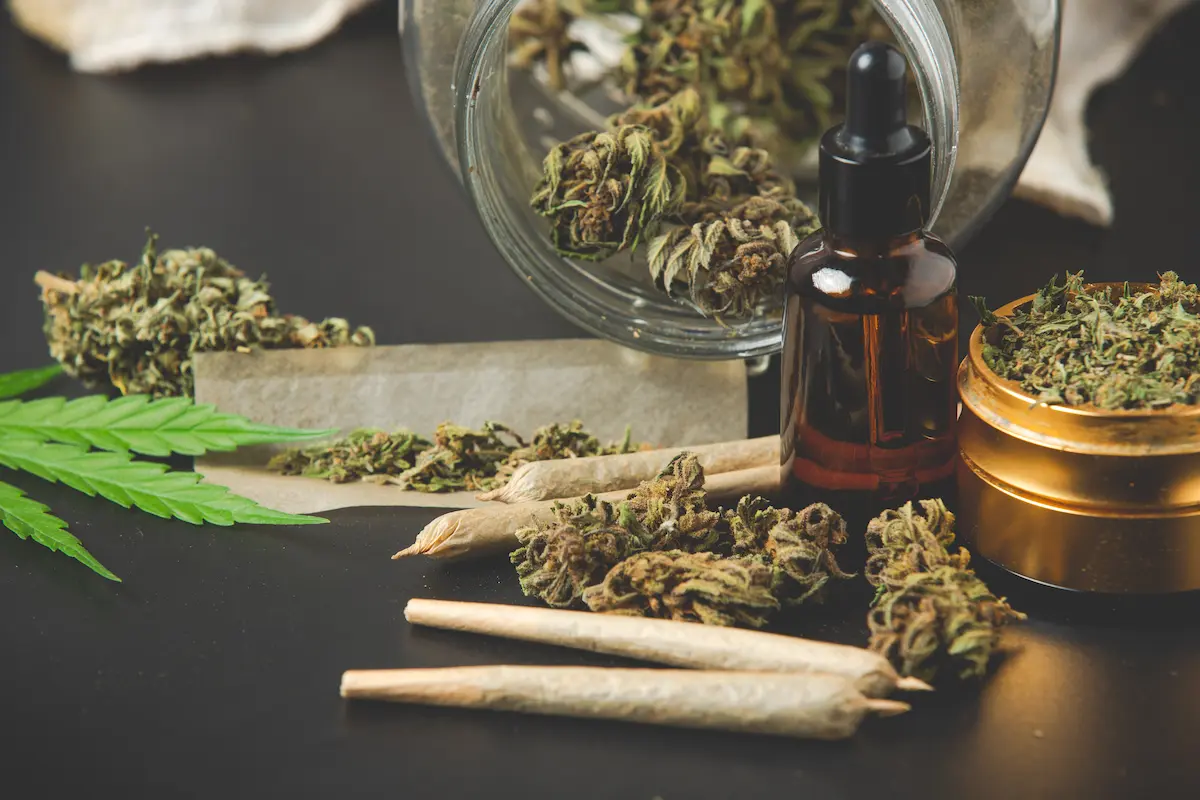
Understanding Full Spectrum Cannabis Products
When shopping for cannabis products, you’ve likely encountered terms like “full spectrum,” “broad spectrum,” and “isolate” splashed across labels and product descriptions. These aren’t just marketing buzzwords—they represent fundamentally different types of cannabis extracts that can significantly impact your experience. Full spectrum cannabis products have gained considerable attention among both medical patients and recreational consumers who seek the most comprehensive benefits the cannabis plant has to offer.
Full spectrum extracts contain the complete profile of naturally occurring compounds found in the cannabis plant, including cannabinoids, terpenes, flavonoids, and yes—trace amounts of THC. This whole-plant approach stands in stark contrast to isolated compounds, offering what many researchers and consumers believe to be a more effective and nuanced experience through a phenomenon known as the entourage effect.
What Makes Full Spectrum Cannabis Different?
At its core, a full spectrum cannabis product preserves the entire chemical complexity of the cannabis plant. Rather than extracting and isolating individual compounds, full spectrum extraction methods maintain the natural ratios and variety of substances that evolved together in the plant over millions of years.
The primary components you’ll find in full spectrum products include:
- Cannabinoids: Beyond the well-known CBD and THC, full spectrum products contain dozens of minor cannabinoids like CBG (cannabigerol), CBN (cannabinol), and CBC (cannabichromene), each contributing unique properties to the overall effect.
- Terpenes: These aromatic compounds give cannabis its distinctive scents and flavors. Myrcene, limonene, caryophyllene, pinene, linalool, and humulene are just a few of the terpenes that not only influence aroma but also contribute therapeutic benefits ranging from anti-inflammatory effects to mood enhancement.
- Flavonoids: Often overlooked, these compounds give cannabis plants their color and possess potent antioxidant and anti-inflammatory properties. Cannflavins, unique to cannabis, have been shown to have particularly strong anti-inflammatory effects.
- THC: Full spectrum CBD products legally contain up to 0.3% THC in dry weight, while full spectrum THC products from dispensaries contain significantly higher amounts, depending on the source plant and intended use.
This comprehensive chemical profile is what distinguishes full spectrum products from their more refined counterparts. The extraction process for these products requires careful attention to temperature and pressure to preserve delicate compounds that can easily degrade during processing.
The Entourage Effect: Nature’s Synergy
The concept of the entourage effect, first proposed by researcher Raphael Mechoulam in 1988, has become central to understanding why full spectrum products may offer superior benefits. This theory suggests that cannabis compounds work synergistically—meaning the combined effect of all components working together exceeds the sum of their individual effects.
Think of it like an orchestra. While a single instrument can create beautiful music, the full symphony produces something far more complex and moving. Similarly, while isolated CBD or THC can provide certain benefits, the full spectrum of cannabis compounds interacting with your body’s endocannabinoid system creates a more nuanced and potentially more effective experience.
Research supporting the entourage effect continues to emerge. A 2015 animal study found that full spectrum CBD products showed more notable effects against pain and inflammation compared to CBD isolate, with the benefits increasing proportionally with dosage. Another 2018 study specifically examining pain relief concluded that full spectrum CBD proved more effective than isolated CBD, likely due to the combined effects of CBD, THC, and other compounds.
Your body’s endocannabinoid system contains receptors throughout your brain, organs, connective tissues, and immune cells. When you consume a full spectrum product, these various compounds interact with different receptors in unique ways, creating a personalized experience based on your individual physiology.
How Full Spectrum Products Are Made
Creating full spectrum cannabis extracts requires sophisticated extraction methods that preserve the plant’s delicate compounds. Unlike distillation processes that isolate specific cannabinoids, full spectrum extraction prioritizes keeping everything intact. Three primary methods dominate the industry:
Supercritical CO2 extraction uses carbon dioxide at specific temperatures and pressures where it acts as both a liquid and gas. This allows it to penetrate plant material thoroughly while gently extracting cannabinoids, terpenes, and other compounds without the use of potentially harmful solvents. The process is then carefully adjusted to separate the CO2 from the desired extract.
Hydrocarbon extraction employs butane or a butane-propane blend that’s cooled and liquified, then pushed through cannabis plant material. These solvents effectively remove the full spectrum of compounds, but must then be carefully purged from the final product along with unwanted fats and waxes. When done correctly, this method produces flavorful, potent extracts.
Solventless extraction appeals to consumers who prefer products untouched by chemical solvents. Methods like ice water extraction agitate frozen cannabis in ice water to separate trichomes from plant material, while rosin pressing uses heat and pressure to squeeze oils from cannabis flowers or hash. These techniques preserve the full spectrum of compounds while avoiding any solvent contact.
Each method has its advocates, but all share the common goal of maintaining the plant’s natural chemical profile. This is significantly more time-consuming and technically demanding than producing isolates or distillates, which explains why full spectrum products often command premium prices.
Full Spectrum vs. Broad Spectrum vs. Isolate
Understanding the spectrum of cannabis products helps you make informed choices based on your needs and circumstances. While we’ve focused on full spectrum options, it’s important to know how they compare to alternatives.
Full spectrum products contain all naturally occurring cannabis compounds, including up to 0.3% THC for CBD products (or much higher THC levels for marijuana-derived products from dispensaries). These products offer the complete entourage effect and are preferred by those seeking maximum therapeutic benefits who aren’t concerned about trace THC exposure.
Broad spectrum products occupy a middle ground—they contain multiple cannabinoids, terpenes, and flavonoids but have THC completely removed or reduced to undetectable levels. This option appeals to athletes subject to drug testing, professionals in sensitive positions, or anyone who wants some entourage effect benefits without any THC risk. However, removing THC may reduce the overall synergistic benefits.
Isolate products contain a single cannabinoid—typically CBD or THC—with all other plant compounds removed. These crystalline powders are 99% pure and have no taste or smell. While they lack the entourage effect, isolates allow for precise dosing and are completely free of unwanted compounds. Some people prefer isolates when first experimenting with cannabis, as the effects are more predictable.
For consumers exploring cannabis education, understanding these distinctions helps match products to individual needs and preferences.
The Benefits of Full Spectrum Cannabis
While research into cannabis benefits continues to evolve, emerging evidence and anecdotal reports suggest full spectrum products may help with various conditions. The synergistic nature of these products appears to enhance therapeutic potential beyond what isolated compounds can provide.
Users report full spectrum products may help with chronic pain management, particularly neuropathic pain that doesn’t respond well to traditional treatments. The combination of cannabinoids and anti-inflammatory terpenes appears to work on multiple pain pathways simultaneously.
Anxiety and sleep improvements are frequently cited benefits, with users noting that full spectrum products provide relaxation without the grogginess sometimes associated with pharmaceutical sleep aids. The terpene linalool, which is also found in lavender, contributes calming effects that complement cannabinoid activity.
Individuals dealing with inflammation-related conditions often prefer full spectrum products over isolates. Research indicates that the anti-inflammatory effects are more pronounced when multiple cannabis compounds work together, potentially helping with conditions like arthritis, inflammatory bowel disease, and autoimmune disorders.
It’s worth noting that a 2020 review from Johns Hopkins University cautioned that while promising, rigorous controlled evidence for CBD’s therapeutic efficacy remains limited for many conditions. More research is certainly needed, but the existing studies and widespread anecdotal support suggest full spectrum products hold significant potential.
Forms and Applications of Full Spectrum Cannabis
Full spectrum cannabis comes in diverse formats to suit different preferences and needs. Understanding your options helps you choose the most appropriate delivery method for your situation.
Tinctures and oils offer sublingual absorption for fast-acting effects. These liquid extracts allow for precise dosing and are particularly popular among medical cannabis patients who need consistent, measurable amounts. The oils can also be added to food and beverages, though this slows absorption.
Edibles made with full spectrum extracts provide long-lasting effects, though they take longer to kick in compared to other methods. From gummies to chocolates to baked goods, these products offer discrete consumption. Keep in mind that cooking at high temperatures may degrade some terpenes, and full spectrum edibles typically have a stronger cannabis flavor than those made with distillates.
Topicals including balms, creams, lotions, and salves allow for targeted application to specific areas. These products interact with cannabinoid receptors in your skin without entering the bloodstream, making them popular for localized pain, inflammation, and skin conditions.
Concentrates like live resin, sauce, and rosin offer potent options for experienced users. These can be dabbed using specialized equipment or added to flower in joints or bowls. The concentrated nature means a little goes a long way.
Vape products provide rapid onset of effects through inhalation, though consumers should exercise caution and only purchase from reputable sources that provide third-party lab testing to ensure safety and purity.
Cannabis flower itself is technically the most natural full spectrum product available, containing all compounds in their original plant ratios. For those interested in exploring different consumption methods, checking out resources on cannabis strains can provide valuable guidance.
Important Considerations and Potential Side Effects
While full spectrum cannabis products are generally well-tolerated, they’re not without potential drawbacks and side effects. Being informed helps you use these products safely and effectively.
The presence of THC, even in small amounts, means full spectrum CBD products can potentially cause a positive result on drug tests. Regular use allows THC metabolites to accumulate in your system, particularly in fatty tissues. If you’re subject to workplace drug testing or other screening, this is a critical consideration.
Potential side effects may include changes in appetite, dizziness, drowsiness, dry mouth, diarrhea, and mood changes. Some users report fatigue, particularly when first starting full spectrum products or when taking higher doses. These effects are typically mild and often diminish with continued use as your body adjusts.
Drug interactions deserve serious attention. Cannabis compounds can affect how your liver metabolizes certain medications, including blood thinners like warfarin, some antidepressants, benzodiazepines, and opioids. The interaction can either increase or decrease the effectiveness of these medications, potentially leading to dangerous situations.
Pregnant and nursing individuals should avoid cannabis products entirely, as their safety for fetal development and infants hasn’t been established. Similarly, people with certain medical conditions or those taking multiple medications should consult healthcare providers before using full spectrum cannabis.
The unregulated nature of many CBD products sold outside of licensed dispensaries presents quality control concerns. Products may contain more or less THC than advertised, be contaminated with pesticides or heavy metals, or simply not contain the cannabinoid levels claimed on the label.
Choosing Quality Full Spectrum Products
With the cannabis market flooded with products making various claims, knowing how to identify quality full spectrum options protects both your health and wallet. Several factors separate reputable products from questionable ones.
Third-party lab testing is non-negotiable. Reputable manufacturers send their products to independent laboratories that test for cannabinoid content, terpene profiles, pesticides, heavy metals, residual solvents, and microbial contamination. These Certificates of Analysis (COAs) should be readily available—either on the product packaging via QR code or on the company’s website.
Look for certification from recognized bodies like U.S. Pharmacopeia (USP), ConsumerLab, or NSF International. These organizations verify that products contain what they claim and are free from harmful contaminants.
Source matters significantly. Products derived from organically grown hemp or cannabis plants cultivated without pesticides and herbicides offer cleaner, safer options. Companies that are transparent about their growing practices and extraction methods typically produce superior products.
Extraction method information helps you understand what went into creating the product. CO2 and solventless extractions generally produce the cleanest full spectrum products, while hydrocarbon extractions, when done properly, can also yield excellent results.
Purchase from licensed dispensaries when possible, as these establishments face regulatory oversight that ensures product safety and accurate labeling. The budtenders can also provide personalized recommendations based on your needs and experience level. For those new to cannabis, resources about cannabis dispensaries can help navigate your first visit.
Price often reflects quality in the cannabis industry. If a full spectrum product seems unusually cheap, it may be made from inferior plant material, contain less of the advertised cannabinoids, or lack proper testing. While you don’t need to buy the most expensive option, extremely low prices should raise red flags.
The Future of Full Spectrum Cannabis
As cannabis research expands and restrictions ease, our understanding of full spectrum products continues to evolve. Scientists are discovering new minor cannabinoids and terpenes, uncovering their individual properties and how they interact within the entourage effect framework.
Emerging research into specific cannabinoid and terpene combinations may lead to more targeted full spectrum formulations designed for particular conditions or desired effects. Rather than one-size-fits-all full spectrum products, we may see specialized blends optimized for sleep, pain, anxiety, or inflammation.
Improved extraction technologies promise to preserve even more of the plant’s delicate compounds while removing unwanted materials more efficiently. This could make full spectrum products more affordable and accessible to wider audiences.
The agricultural side is also advancing, with cultivators developing cannabis strains specifically designed to produce optimal full spectrum extracts with enhanced terpene profiles and beneficial minor cannabinoid ratios.
For consumers, this means an exciting future with more options, better quality, and clearer information about what they’re purchasing. The key is staying informed, choosing quality products, and listening to your body’s response as you explore what full spectrum cannabis can offer.
Frequently Asked Questions
What is the difference between full spectrum, broad spectrum, and isolate cannabis products?
Full spectrum products contain all naturally occurring cannabis compounds including trace THC, while broad spectrum removes THC but keeps other cannabinoids and terpenes. Isolates contain only a single cannabinoid, typically CBD or THC, with all other plant compounds removed. The main distinction lies in the completeness of the chemical profile—full spectrum preserves everything from the plant, broad spectrum removes only THC, and isolates strip away everything except one cannabinoid.
What is the entourage effect in full spectrum cannabis products?
The entourage effect is the synergistic interaction between cannabinoids, terpenes, and other plant compounds working together to enhance therapeutic benefits. This phenomenon suggests that whole-plant extracts may be more effective than isolated compounds alone. First proposed in 1988, the entourage effect theory explains why full spectrum products often produce more pronounced and nuanced effects than single-molecule isolates. It’s similar to how a complete orchestra creates a richer sound than any single instrument playing alone.
Will full spectrum cannabis products make me fail a drug test?
Full spectrum CBD products contain trace amounts of THC (up to 0.3% legally), which can accumulate in your system with regular use and potentially trigger a positive drug test result. If drug testing is a concern, consider broad spectrum or isolate products instead. THC metabolites are stored in fatty tissues and can remain detectable for weeks after use, depending on frequency and amount consumed. Even small amounts can build up over time, especially with daily use of full spectrum products.

About the Author: Vlad Parkanski
Vlad Parkanski is the Founder and CEO of Matchbox Cannabis. After immigrating to Toronto from Moldova in the 1990s, Vlad built his career through hands-on retail and entrepreneurship—opening a family-owned footwear business, expanding into international distribution, and working with global fashion and medical brands. A lifelong cannabis consumer, he entered the legal cannabis space in the early 2010s and founded Matchbox in 2018, opening the first store in 2021. Today, Matchbox has grown to six locations and a team of 35, known for its welcoming atmosphere, deep product knowledge, and personalized customer experience. Vlad remains deeply involved in daily operations, team development, and community initiatives, bringing decades of retail expertise and passion for the plant to everything Matchbox does.
See more about the author